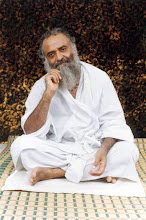
सबसे श्रेष्ठ कर्म क्या है? सारे ब्रह्माण्ड को स्वयं से अभिन्न देखो। अपने को सबसे न्यारा देखो। जैसे मलत्याग करने के बाद सोचते नहीं कि उस मल का क्या हुआ, वह कहाँ गया? इसी प्रकार आत्मस्वरूप में जगने के बाद शरीर, मन आदि का क्या हुआ इसका विचार ही नहीं करना है। उनका आत्यंतिक लय करना है। विचार वही होकर रहो। अन्य कुछ बनोगे तो दुःखी होगे।
Wednesday, July 3, 2013
सबसे श्रेष्ठ कर्म क्या है? सारे ब्रह्माण्ड को स्वयं से अभिन्न देखो। अपने को सबसे न्यारा देखो। जैसे मलत्याग करने के बाद सोचते नहीं कि उस मल का क्या हुआ, वह कहाँ गया? इसी प्रकार आत्मस्वरूप में जगने के बाद शरीर, मन आदि का क्या हुआ इसका विचार ही नहीं करना है। उनका आत्यंतिक लय करना है। विचार वही होकर रहो। अन्य कुछ बनोगे तो दुःखी होगे।

Tuesday, October 2, 2012
प्रo : वैराग्य कितने प्रकार का होता है ?
उo : सामान्यतया गुण- भेद से वैराग्य तीन प्रकार के हैं ।
1) जो वैराग्य संसार से ग्लानि और भगवान से प्रेम होने पर होता है, वह सात्त्विक है ।
2) जो प्रसिद्धि या प्रतिष्ठा की दृष्टि से विरक्त होता है, वह राजस है ।
3) जो सबको नीची दृष्टि से देखता है तथा अपनेको बड़ा समझता है वह तामस वैराग्य है ।
Q. What are the types of vairagya?
A. Ordi
उo : सामान्यतया गुण- भेद से वैराग्य तीन प्रकार के हैं ।
1) जो वैराग्य संसार से ग्लानि और भगवान से प्रेम होने पर होता है, वह सात्त्विक है ।
2) जो प्रसिद्धि या प्रतिष्ठा की दृष्टि से विरक्त होता है, वह राजस है ।
3) जो सबको नीची दृष्टि से देखता है तथा अपनेको बड़ा समझता है वह तामस वैराग्य है ।
Q. What are the types of vairagya?
A. Ordi
narily vairagya is of three types, according to the qualities of nature:
1. The vairagya arising out of aversion to the world and love for the lord is sattvic.
2. The vairagya in search of fame and prestige is rajasic.
3. If one looks down on others, and takes pride in one’s vairagya, the vairagya is tamasic.
--Ishwar Ki Aur
1. The vairagya arising out of aversion to the world and love for the lord is sattvic.
2. The vairagya in search of fame and prestige is rajasic.
3. If one looks down on others, and takes pride in one’s vairagya, the vairagya is tamasic.
--Ishwar Ki Aur
प्रo : त्याग, वैराग्य और उपरति में क्या भेद है?
उo : विषय को सामने न आने देना त्याग है । विषय सामने रहते हुए उसमें प्रेम न होना वैराग्य है। वस्तु सामने रहते हुए भी उसमें न तो भोगबुद्धि हो और न द्वेष हो यह उपरति है ।
Q. What is the difference between tyaga, vairagya and uparati?
A. Avoiding contact with sense objects is tyaga. Not even being attracted towards the object, even when it is before one’s eyes, is vairagya. If the object is before one’s eyes, but still there is neither a desire to enjoy nor any aversion thereto, it is uparati.
--Ishwar Ki Aur
उo : विषय को सामने न आने देना त्याग है । विषय सामने रहते हुए उसमें प्रेम न होना वैराग्य है। वस्तु सामने रहते हुए भी उसमें न तो भोगबुद्धि हो और न द्वेष हो यह उपरति है ।
Q. What is the difference between tyaga, vairagya and uparati?
A. Avoiding contact with sense objects is tyaga. Not even being attracted towards the object, even when it is before one’s eyes, is vairagya. If the object is before one’s eyes, but still there is neither a desire to enjoy nor any aversion thereto, it is uparati.
--Ishwar Ki Aur
अग्नि में राग द्वेष नहीं है । उसके पास जो जाता
है उसकी ठंड दूर होती है, अन्य की नहीं । इसी प्रकार जो ईश्वर के शरण जाता
है उसका बन्धन कटता है, अन्य का नहीं। जिसके चित्त में राग द्वेष है,
उसमें ईश्वर की विशेषता अभिव्यक्त नहीं होती ।
Fire is free from attachment and hatred. One, who goes near it, gets its warmth, others don’t. If the mind is afflicted with attachment and hatred, God does not manifest Himself therein.
--Ishwar Ki Aur
Fire is free from attachment and hatred. One, who goes near it, gets its warmth, others don’t. If the mind is afflicted with attachment and hatred, God does not manifest Himself therein.
--Ishwar Ki Aur
संसार की सब चीजें बदल रहीं हैं, भूतकाल की ओर
भाग रहीं है और आप उन्हें वर्त्तमान में टिकाये रखना चाहते हैं? यही जीवन
के दु:खों की मूल ग्रंथि है । आप चेतन होने पर भी जड़ वस्तु को छोड़ने से
इन्कार करते हैं? दृष्टा होने पर भी दृश्य में उलझे हुए हैं?
All things of the world are changing, are running towards the past; and you want; and you want to keep them ever present. This is the root cause of all your troubles. Even in spite of yourself being sentient, you refuse to let go the non-sentient world. You are actually the beholder, but unfortunately, you consider yourself to be part of the scene.
--Ishwar ki Aur
All things of the world are changing, are running towards the past; and you want; and you want to keep them ever present. This is the root cause of all your troubles. Even in spite of yourself being sentient, you refuse to let go the non-sentient world. You are actually the beholder, but unfortunately, you consider yourself to be part of the scene.
--Ishwar ki Aur
आत्मा नित्य होने से वह घट की तरह या कीट भ्रमर
की तरह उत्पन्न नहीं होता । नदी को सागर प्राप्त होती है ऐसे आत्मा प्राप्त
नहीं होती, क्योंकि वह सर्वगत है । दूध में विकार होकर दही बनता है वैसे
आत्मा में विकार नहीं होता, क्योंकि वह स्थाणु है । सुवर्ण की शुद्धि की
तरह आत्मा कोई संस्कार की अपेक्षा नहीं करता क्योंकि वह अचल है । उत्पत्ति,
प्राप्ति, विकृति और संस्कृति ये चारों धर्म कर्म के हैं ।
The Atman
The Atman
is eternal and as such it does not come into being like an earthen pot
or an insect. Atman is not reached, as sea is reached by the rivers,
because it is omnipresent. Atman is not produced by transmutation, as
curd coagulates from milk, because it is unalterable. Atman does not
require any refinement like gold, as it is motionless. Birth,
attainment, transmutation and refinement – all belong to realm of
‘Karma’, not to the atman.
--Ishwar ki Aur
--Ishwar ki Aur
वेदान्त शास्त्र यह नहीं कहता कि ‘अपने आपको
जानो ।’ अपने आपको सभी जानते हैं । कोई अपने को निर्धन जानकर धनी होने का
प्रयत्न करता है, कोई अपनेको रोगी जानकर निरोग होने को इच्छुक है । कोई
अपनेको नाटा जानकर लम्बा होने के लिए कसरत करता है तो कोई अपनेको काला
जानकर गोरा होने के लिए भिन्न भिन्न नुस्खे आजमाता है । नहीं, वेदान्त यह
नहीं कहता । वह तो कहता है : ‘अपने आपको ब्रह्म जानो ।’ जीवन में अनर्थ का
मूल सा
मान्य अज्ञान नहीं अपितु अपनी आत्मा
के ब्रह्मत्व का अज्ञान है । देह और सांसारिक व्यवहार के ज्ञान अज्ञान से
कोई खास लाभ हानि नहीं है परंतु अपने ब्रह्मत्व के अज्ञान से घोर हानि है
और उसके ज्ञान से परम लाभ है ।
Vedanta does not say, ‘Know yourself.’ Everyone knows oneself. Someone knows oneself to be poor and tries to be rich. Another one knows oneself to be sick and wants to be healthy. Someone knows oneself to be short and exercises to grow taller. Someone knows oneself to be dark complexioned and tries various remedies to become fair.
No, Vedanta does not say that. Vedanta says: ‘know yourself to be God.’ The root cause of misfortune in life is not general ignorance, but ignorance about the all important fact of one being God oneself. There is not much of gain or loss from the knowledge or ignorance of the body or the worldly affairs; but there is enormous loss from the ignorance of one’s inherent Divinity, and its knowledge is equally rewarding.
--Ishwar Ki Aur
Vedanta does not say, ‘Know yourself.’ Everyone knows oneself. Someone knows oneself to be poor and tries to be rich. Another one knows oneself to be sick and wants to be healthy. Someone knows oneself to be short and exercises to grow taller. Someone knows oneself to be dark complexioned and tries various remedies to become fair.
No, Vedanta does not say that. Vedanta says: ‘know yourself to be God.’ The root cause of misfortune in life is not general ignorance, but ignorance about the all important fact of one being God oneself. There is not much of gain or loss from the knowledge or ignorance of the body or the worldly affairs; but there is enormous loss from the ignorance of one’s inherent Divinity, and its knowledge is equally rewarding.
--Ishwar Ki Aur
Subscribe to:
Posts (Atom)